Overview
Automated modular tunnel innovations have potential to save construction time and cost for the U.S. Army Corps of Engineers (USACE) flood risk management projects. Lacking experience utilizing these new technologies on projects, USACE is evaluating available technologies to understand their advantages, disadvantages and any research required to effectively implement these innovations in practice.
The U.S. Army Engineer Research and Development Center (ERDC) is seeking insights and expertise from leading industry professionals with proven applicable experience in automated modular tunnel technologies (e.g., high-speed, small-to-medium diameter (>12ft) tunnel boring machines (TMBs) with surface-launched, continuous-mining capability and precast segmented linings) and processes for large-scale water conveyance systems as alternatives to traditional methods. This new capability should reduce costs and save lives while avoiding significant environmental and real estate acquisition challenges.
Project Objective
The objective of this project is to identify and engage leading industry experts who can contribute valuable insights during the ideation phase. This initiative seeks to explore and advance innovative tunneling technologies, leveraging expert knowledge to support USACE projects and drive transformative solutions in water conveyance systems.
Industry experts who are downselected may be invited to participate in a hybrid industry engagement event with a project team comprised of USACE and other federal government subject matter experts on the viability of automated modular tunnel technologies to be used as an effective/efficient alternative to conventional water conveyance methods for flood risk management.
Anticipated to accommodate hybrid (on-line and in person) participation, the proposed event will allow selected companies an opportunity to present, in discrete individual sessions, their proposed solutions. The project team will sign non-disclosure agreements (NDAs) to protect any proprietary information discussed. The project team will assess options as they seek to ascertain the viability of new tunnel construction methods that achieve a cost effective/efficient alternative to conventional methods, and any remaining research required.
Project Manager
U.S. Army Engineer Research and Development Center (ERDC) in support of the U.S. Army Corps of Engineers (USACE)
Background and Operational Scenarios
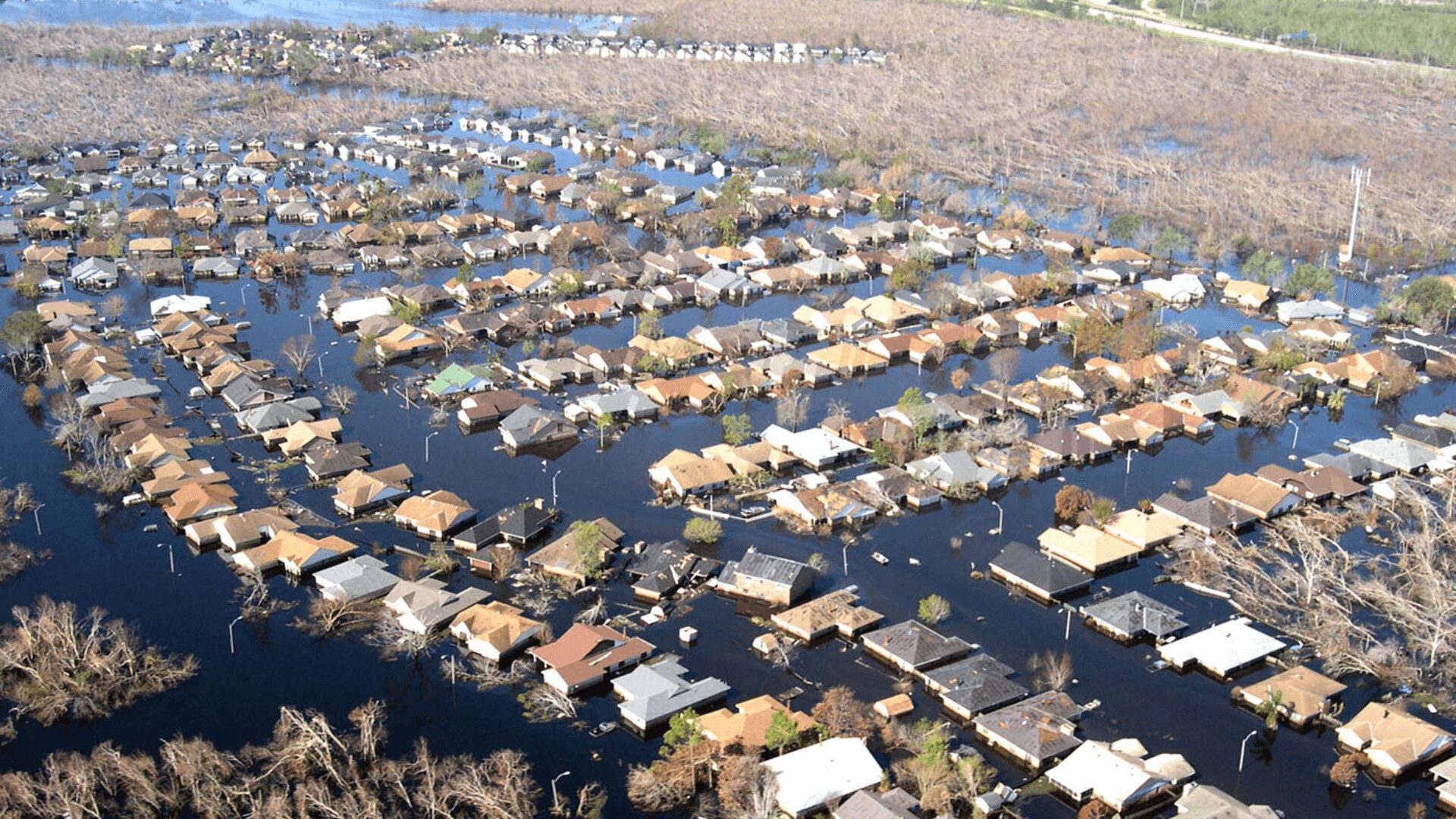
Numerous U.S. cities have implemented flood water diversion tunnels. As plans for tunnel construction in additional cities begin to take shape, the time, expense, methods and associated requirements to construct such tunnels is under review.
USACE would like to evaluate commercial solutions for automated modular tunnel technologies that involve the following or similar qualities: 1) high-speed and automated, tunnel boring capability, 2) small-to-medium diameter (at least 12 ft or more) capacity, and 3) pre-cast segmented linings.
Requirements
ERDC invites white papers that describe conceptual methods for using existing automated modular tunnel technologies for large-scale water conveyance systems in lieu of conventional methods. It is not necessary to provide proprietary details in addressing the document requirements, just enough information to discuss performance and limitations. The reviewing team will sign non-disclosure agreements.
Proposed solutions should:
- Describe the concept, its installation methodology, key technical processes, accuracy, advantages, appropriateness for application, and any limitations
- Describe how the technology’s cost-effectiveness could be used to optimize redundancy vs. costs
- Describe any advantages or disadvantages this concept has over conventional methods (e.g. speed, cost of construction, maintenance, or replacement schedule)
- Address the Technology Readiness Level (TRL) of the concept and fully describe any modifications needed to commercially available technologies/methods for the application
- Typical timeline for each step of tunnel construction (e.g. any necessary site prep or excavations, mobilization/de-mob, annular space grouting, final tunnel liner fitment, etc.)
- Fully describe previous installation experience of large-scale water conveyance systems
- Accuracy of installation (ensuring accurate tunnel alignment/slope to control gravity fed water flows)
- Technology resilience (hold up variety of geologic stresses (vibrations or liquefaction, etc.) and dynamic stresses without leaking
Particular attention should be given to:
- The accuracy of tunnel installation alignment/slope necessary to provide gravity flows of water (without bellies/sags), and relative costs
- The ability of the tunnel support system to withstand loading during installation and long-term operational loads (i.e. flow-induced vibrations and geologic effects, etc.) and relative costs
- The ability of the tunnel to be sealed from water intrusion and water leakage and relative costs, even under positive pressures or vacuum, such as from pressurized water or siphon conditions
- Any length, depth, diameter, proximity to nearby tunnels, geologic strata, or other parameters that pose limitations of the conceptual method
- Conceptional applications should consider tunnel inside diameters of 10 feet and greater, potential use of multiple adjacent tunnels, tunnels that are fed by pressurized pumps, tunnels that span miles.
Estimated Government Funding Profile
This is a Request for Information (RFI) and any response is not an offer. This announcement does not commit the Government to pay any costs incurred in preparation of a response or guarantee a contract.
Estimated Period of Performance
From point of downselection to presentation at industry engagements
Expected Result
Downselected offerors will be invited to participate in discrete and separate industry engagements following a group kickoff meeting to discuss the viability of automated modular tunnel technologies to be used as an effective/efficient alternative to conventional water conveyance methods.
Following the kickoff meeting, downselected companies will present, one at a time, to a seated USACE/ERDC audience to include scientists and engineers.
Discussion topics may include:
- Insights on the state of automated modular tunnel technology, current limitations, advantages, disadvantages, and any barriers to immediate application for water conveyance usage
- Approaches to rapidly overcome any above mentioned barriers through research and development
- Any topics mentioned above in the requirements section
Submissions may be shared as appropriate with other government stakeholders. The government has the authority to decline all submitted proposals.
Evaluation Criteria
The following metrics will be evaluated on a 1 to 5 scale to determine an overall score for each submission. Submitted white papers will be evaluated alongside the company information to select companies for the next phase. Submissions will be evaluated based on the following criteria:
- Completeness of Idea
- 1 – vague with no details
- 5 – fully described with all relevant technical requirements
- Prototype/Demo – Technology Readiness Level
- 1 – TRL 4 or earlier, not available without substantial research
- 5 – TRL 8-9, ready for immediate use for applications of interest
- Relevant Experience of Submitting Company to Provide Expertise in Technology for this Application
- 1 – no experience with building or designing tunnels
- 5 – completed multiple large-scale modular tunnel constructions
- Limitations
- 1 – technology will not function for conceptual application
- 5 – no limitations on technology use for conceptual application)
- Advantages Over Conventional Methods
- 1 – technology has no advantages
- 5 – technology has substantial cost/time savings or other advantages detailed fully in paper)
- Accuracy of Installation
- 1 – no means of ensuring accurate tunnel alignment/slope
- 5 – construction method allows highly precise alignment and slope to control gravity fed water flows
- Technology Resilience
- 1 – technology not likely to hold up under high geologic stresses, vibrations, or liquefaction or highly likely to leak
- 5 – technology highly resilient to variety of geologic and dynamic stresses without leaking
Notional Project Schedule
Proposed project milestones include:
| December 19, 2025 | Project Announced, Submissions Open |
| February 3, 2026 | Question Period Ends |
| February 17, 2026 | Submissions Close |
| February 17-27, 2026 | Review Period, Virtual Pitch Hosted (if needed) |
| March 2026 | Industry Engagement – Individualized Meetings following Kickoff Meeting |
*This new timeline reflects the reopening of this announcement. Dates may vary to accommodate the project team and participant availability. The government may accelerate the pre-proposal review/feedback timeline, and therefore also require earlier delivery of full proposals.
How to Participate
- Submit specific details by providing a white paper (download template)
- Review FAQs
- Once solution is ready to submit, complete the submission form
Questions: Please send all technical and administrative questions using this form. Q&A will be updated periodically. It is the responsibility of the offeror to review Q&A prior to submitting.