

What are AIRC and AIRG?
Established in 2020, the Arctic Infrastructure Research Center (AIRC) in Fairbanks, Alaska, provides a 134-acre full-scale testing and evaluation site for infrastructure innovation. Equipped with access roads, earthen pads, high-power electricity, fiber-optic internet, roadway and runway test embankments, and dedicated cold weather concrete testing sections, AIRC replicates real-world Arctic conditions with ice-rich permafrost.
Its location near Fort Wainwright, Eielson Air Force Base, Fort Greely, Fairbanks International Airport, and the University of Alaska Fairbanks enables collaboration, training, and high-visibility testing in both sub-Arctic and Arctic environments.
Supporting the North American Aerospace Defense Command (NORAD) and U.S. Northern Command (USNORTHCOM), the designated DOD advocate of the Arctic, the Arctic Infrastructure Research Group (AIRG) serves as a DOD-wide forum to identify Arctic infrastructure gaps, classify needs, and pursue technical solutions. Membership spans all branches of the military, with monthly engagements to advance infrastructure knowledge and capabilities.

Mission
The mission of AIRC and AIRG is to accelerate the development, evaluation, and integration of Arctic-capable infrastructure technologies that meet Army and DOD Arctic Strategy objectives. The program:
- Provides a DOD-wide collaboration platform for identifying and solving infrastructure challenges in cold environments.
- Advances solutions in cold-resistant materials, flexible foundations, efficient power and energy systems, resilient pavements, and water/wastewater technologies.
- Conducts full-scale experimentation and research into Arctic-hardened infrastructure for expeditionary, semi-permanent, and permanent operations
Focus Areas
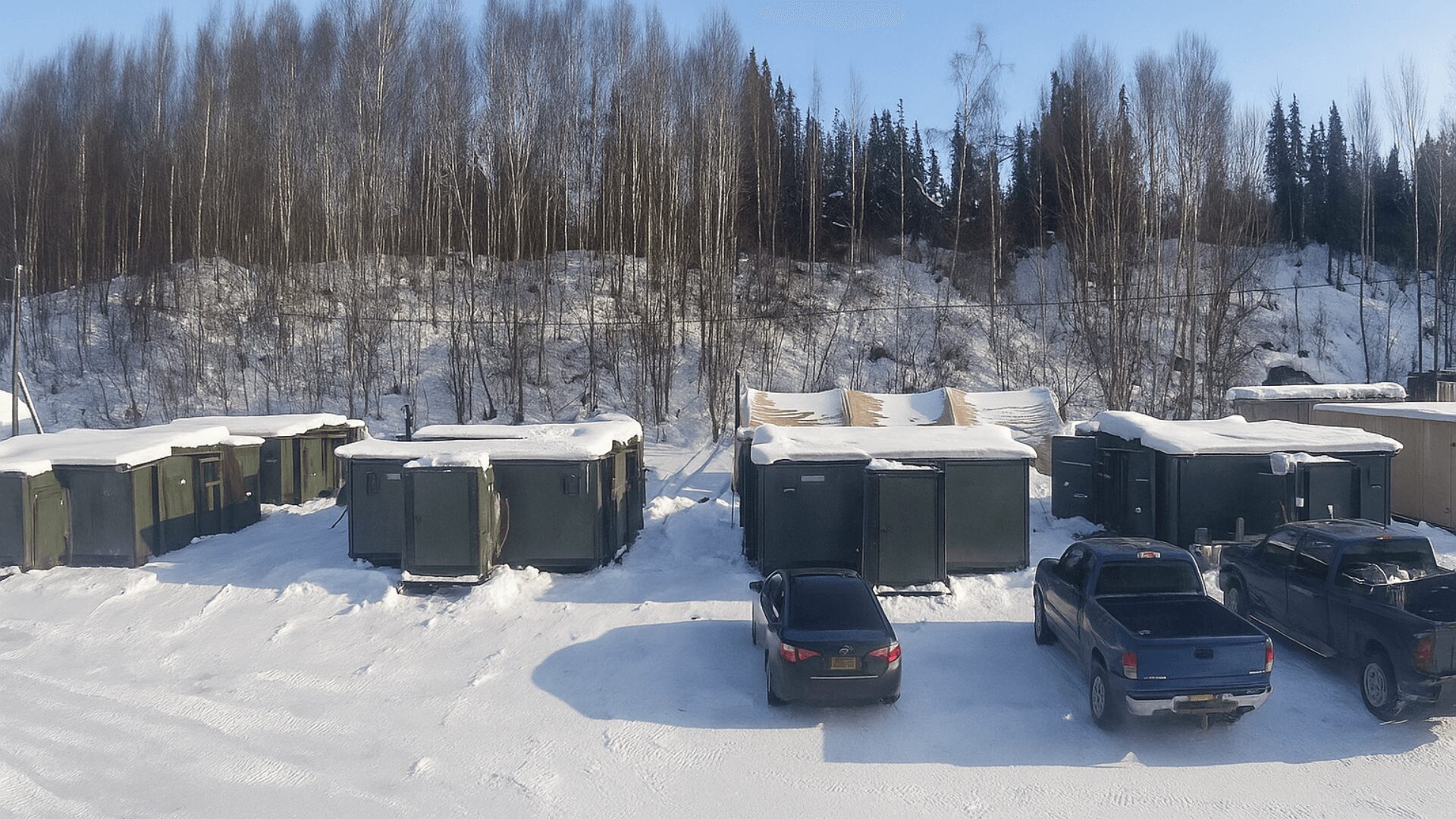
Expeditionary Infrastructure
Expeditionary infrastructure addresses most concerns for military exercises and Arctic and sub-Arctic field work, including instrumentation readiness, structural integrity, research processes, environmental impact, permafrost challenges, and Arctic hazards such as weather, wildlife, and natural events. This includes:
- Testing cold-weather capability of expeditionary shelters
- Evaluating internal temperatures, heat footprint, insulation, and materials
- Testing field readiness and requirements for the necessary time commitment for setup, gear, tools, and manpower
- Studying permafrost degradation under large- and small-scale infrastructure (roads, foundations, shelters, maintenance platforms, etc.) to be applied to field work and large-scale infrastructure installation
Power & Energy
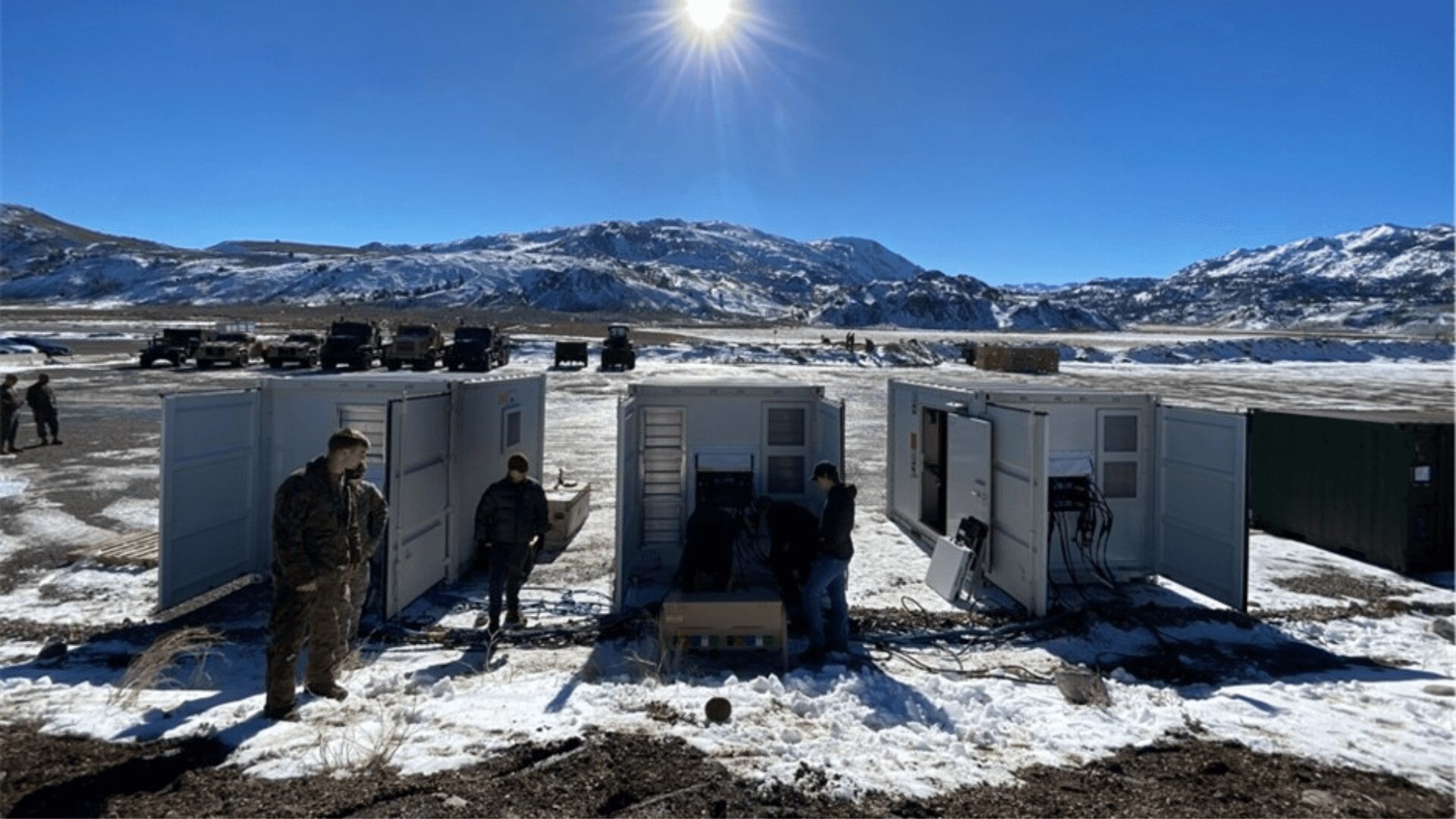
Power and energy research addresses reliable and sustainable energy sources for field operations. It focuses on the generation, storage, and efficient use of energy in extreme cold. This includes:
- Testing sustainable and reliable power generation methods suitable for extreme cold, including portable generators, solar arrays, and hybrid systems
- Evaluating energy storage solutions, such as batteries and fuel cells, under low temperatures
- Optimizing energy consumption for shelters, communications, instrumentation, and field operations
Water & Wastewater
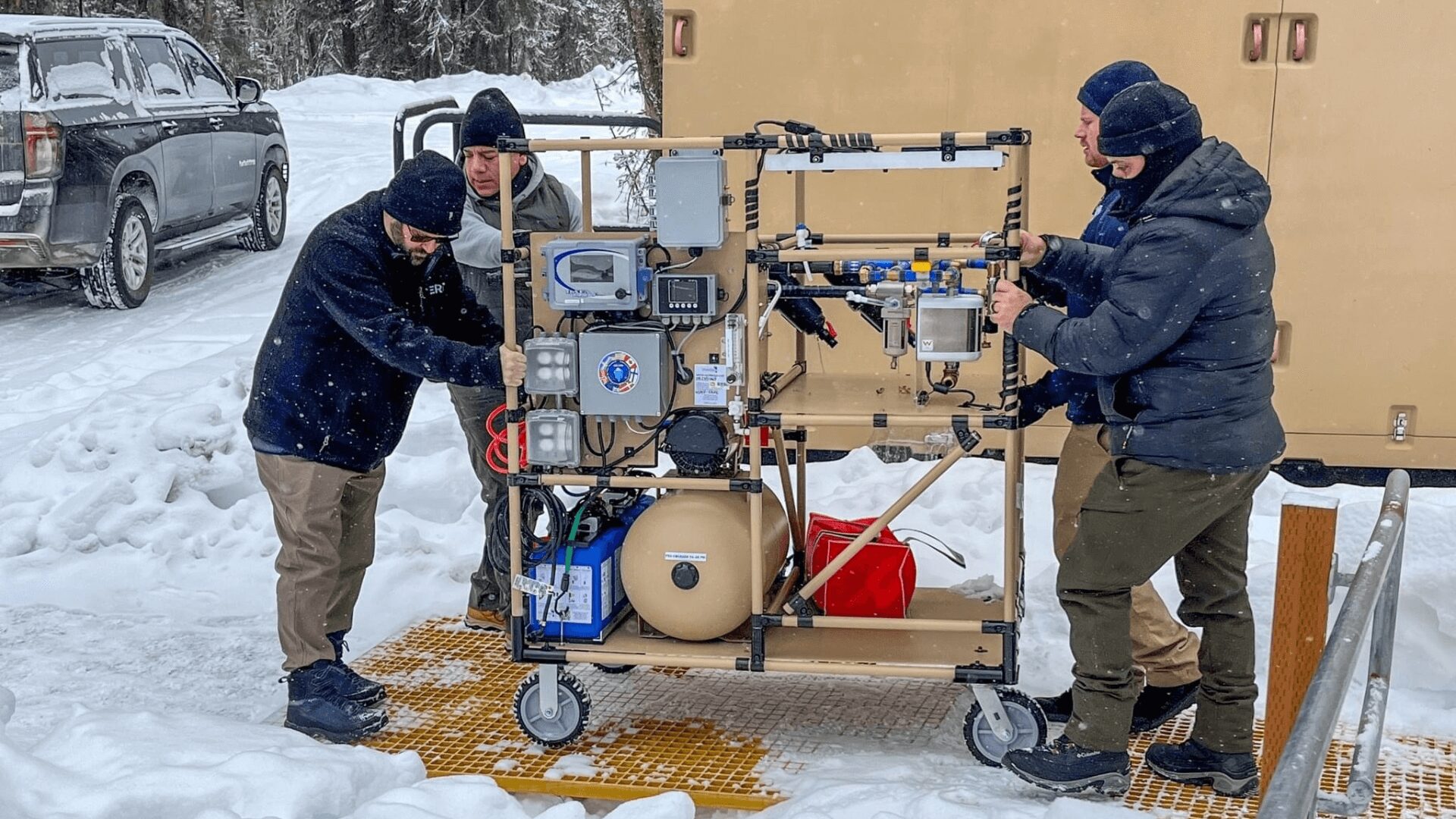
Water and wastewater research ensures safe water use and disposal in remote Arctic environments. It emphasizes hygiene, environmental protection, and field practicality. This includes:
- Assessing water collection, purification, and storage methods in frozen or remote environments
- Testing wastewater management systems that prevent environmental contamination and maintain hygiene in extreme cold
- Developing protocols for safe handling and disposal of graywater and blackwater in Arctic field conditions
Logistics Infrastructure
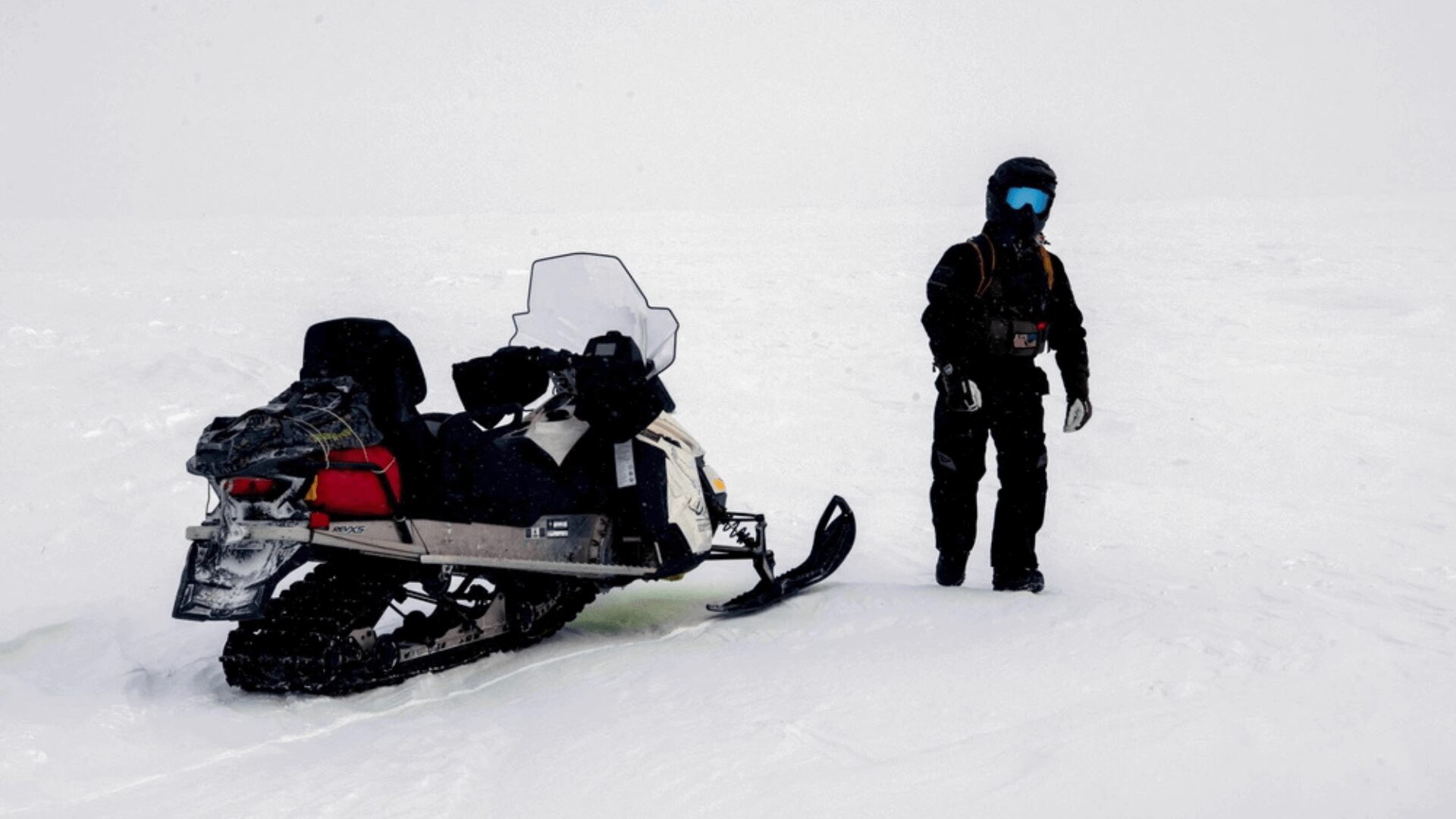
Logistics infrastructure focuses on moving personnel and equipment safely and efficiently in Arctic conditions. Research examines vehicle performance, terrain challenges, and operational planning. This includes:
- Testing the performance and durability of ground transport vehicles under extreme cold, snow, and ice conditions
- Evaluating mobility aids, such as tracked vehicles, snowmobiles, and all-terrain platforms, for personnel and equipment transport
- Assessing route planning, obstacle mitigation, and emergency response capabilities in Arctic and sub-Arctic terrain
Partnerships & Collaborations
The AIRC is actively seeking forward-thinking industry, academia, and government partners to leverage AIRG expertise and military environments to advance the next generation of expeditionary infrastructure, power and energy, water and wastewater, and logistics infrastructure challenges in real-life expeditionary environments.
Ideal partners are those who can demonstrate:
- Innovation: A strong track record of developing novel, field-ready technologies tailored to military needs
- Scalability: The ability to expand and adapt solutions for large-scale deployment across diverse DOD operational settings
- Reliability: Partners are expected to demonstrate a strong track record of dependable performance in field conditions
- Security: Robust cybersecurity practices to safeguard sensitive systems and data
- Cost-Effectiveness: Solutions that offer measurable return on investment and long-term value
Partnership Pathways
- Cooperative Research and Development Agreement (CRADA)
- Testing Service Agreement (TSA)
- Memorandum of Agreement (MOA) (Government)
- Form 7600 A/B (Government)
Request Information