Overview
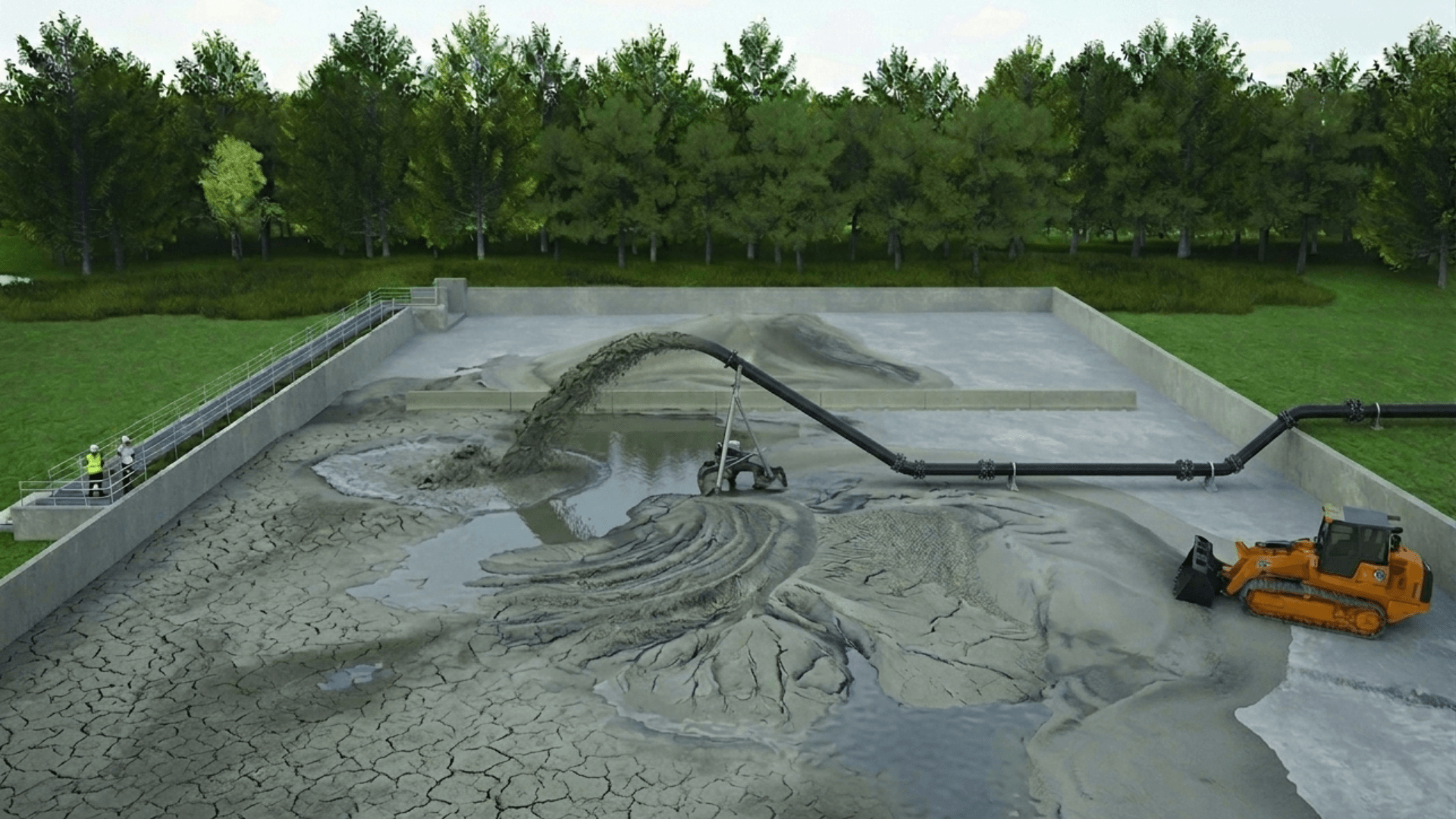
The U.S. Army Engineer Research and Development Center (ERDC) is developing a physical-model testing facility to support the testing and improvement of dredged-material placement methods and technologies. ERDC is seeking input from industry, universities, small businesses, technology developers, research organizations, and other interested groups on anticipated use, desired capabilities, and factors that may affect future use. Located in Vicksburg, MS, the facility will provide a controlled setting to test and evaluate dredged-material placement and beneficial-use construction methods before field use.
Project Manager
Coastal and Hydraulics Laboratory (CHL), U.S. Army Engineer Research and Development Center (ERDC)
Project Objective
The objective of this project is to develop a physical-model testing capability at ERDC in Vicksburg, MS, for evaluating dredged-material placement methods, construction tools, and related technologies in a controlled setting. ERDC is seeking stakeholder input on expected facility use, priority testing needs, required equipment and support, preferred access and scheduling, safety and security needs, potential benefits, and any barriers that could limit use of the facility.
Requirements
Organizations responding to this assessment are requested to provide information regarding their anticipated use of the proposed dredged-material placement facility and the capabilities that would provide the greatest value to their organization.
The proposed physical-model facility is envisioned to include the following capabilities:
- Approximate basin dimensions of 150 feet × 125 feet × 7 feet
- Water fill rate of approximately 10–12 cubic feet per second
- Slurry flow rate of approximately 8 cubic feet per second
- Capability to simulate tides and other wetting and drying events
- Two independent 25-cubic-yard sediment hoppers
- Independent auger-feed capability
- Capability to mix varying sand-to-silt ratios
- Capability to produce slurry concentrations of approximately 10–20 percent by volume
- An approximately 8-inch-diameter placement pipe
Potential study and demonstration areas may include, but are not limited to:
- Material-containment and turbidity-control methods
- New spray nozzles and material-delivery systems
- Material-sorting techniques and equipment
- Dewatering methods
- Flow meters and instrumentation supporting Dredging Quality Management requirements
- New monitoring methods and instrumentation
- Buried-pipeline detection methods
- Dredged-material placement techniques
- Beneficial-use construction methods
- Other technologies associated with dredging, sediment management, placement, monitoring, and construction
Estimated Government Funding Profile
This capability assessment is being conducted for information gathering and planning purposes only. Funding is not currently available for this project.
This project does not commit the government or ERDCWERX to pay any costs incurred in preparation of a response or guarantee a contract.
Evaluation Criteria
- No competitive evaluation will be conducted.
- Responses will be reviewed for informational and planning purposes only. ERDC may use information received to better understand potential demand, technical requirements, facility capabilities, operating considerations, anticipated use cases, and potential barriers to participation.
- Submission of a response does not provide an advantage in any subsequent Government acquisition or other competitive opportunity.
The Government may contact respondents for clarification or invite them to participate in follow-on market research activities, such as discussions, webinars, or workshops, to inform next steps.
Notional Project Schedule
Proposed project milestones include:
| September 16, 2026 | Project Announced, Submissions Open |
| October 8, 2026 | Question Period Ends |
| October 16, 2026 | Submissions Close |
| October 2026 | Review Period, Virtual Pitch Hosted (if needed) |
| November 2026 | Virtual Workshop for Selected Participants |
*Dates may vary to accommodate the project team and participant availability. The government may accelerate the pre-proposal review/feedback timeline, and therefore also require earlier delivery of full proposals.
How to Participate
- Submit specific details by completing the submission form
- Review FAQs
- Once solution is ready to submit, complete the submission form
Questions: Please send all technical and administrative questions using this form. Q&A will be updated periodically. It is the responsibility of the offeror to review Q&A prior to submitting.